Five Things: Wednesday, December 4th

Favourite Kickstarter Pledge Reward Of The Week
I can’t get enough of documentaries on the musicians behind some of the finest pop music ever made. Motown’s Funk Brothers in Standing In The Shadows Of Motown, The Swampers in Muscle Shoals, Booker T and the MGs in Respect Yourself – The Stax Story, and now the The Wrecking Crew. This is, to quote Danny Tedesco, son of the great guitarist, Tommy Tedesco, and director of the film, “a documentary about an elite group of studio session musicians in Los Angeles in the 1960’s who played on hits for the Beach Boys, Frank Sinatra, Nancy Sinatra, Sonny and Cher, Jan & Dean, The Monkees, Gary Lewis and the Playboys, Mamas and Papas, 5th Dimension, Tijuana Brass, Ricky Nelson, Elvis Presley, Johnny Rivers and Phil Spector’s Wall of Sound, and that’s just a few! The amount of work in which they were involved was tremendous.” Here’s a clip of the musicians talking about the session for “Good Vibrations”. Love that Brian Wilson/Carol Kaye bass line! You have til December 21 to help them, and a thousand bucks will get you legendary Wrecking Crew Pianist/Arranger Don Randi’s services for a recording session – and he’ll buy you lunch as well.

Researching a piece on Queen’s Roger Taylor, Google throws up… This Week–Three Top-Name Attractions!
The Jet Set somehow don’t sound like the right support group, do they?

Ken

Fanfarlo, Water Rats
What are the chances of stumbling across a really good band in a London pub? One in a hundred? One in a thousand? Whatever, Fanfarlo are terrific (apart from their name, possibly). A band with a cracking drummer, two keyboardists who double on violin and trumpet, a frontman with a beautifully pared-down guitar style and a bass player who looks like a bass player should. The band have described their current sound as “Space Opera meets Spaghetti Western”. I can’t do any better than that. They also cover (on their website) one of my most favourite songs ever, “Witchi Tai To”, written by jazz saxophonist Jim Pepper and based on a Native American chant. The hit version was by Harper’s Bizarre, purveyors of Baroque Pop, produced by Van Dyke Parks, and with the Wrecking Crew aboard by the sound of it.

Come Gather Round, People…
Shortlist’s emailer Mr Hyde sends me to this review that really captures the spirit of the Coen Bros’ Inside Llewyn Davis and should whet the appetite of those who have a soft spot for either the Coens or Greenwich Village in the 60s.

Big Bill Broonzy: The Man Who Bought The Blues to Britain, BBC4
“I met some big shot and I was ready to make a record. I wrote a guitar solo called “House Rent Stomp” about those rent parties, no words, just pickin’ those old guitar strings, making the first two, E & B, cry, making the G & D talk, and the A & E moan”. That may be the best description of blues guitar I’ve ever heard.
Five Things: Wednesday, November 27th

“The best black, gay, one-eyed junkie piano genius New Orleans has ever produced”
There are certain people so musical that everything they are is musical. Their movements, their voice, their atmosphere. James Booker was one of those people. Not that he wasn’t a truly colossal pain in the ass to those around him, but the fact that many stayed with him and attempted to help his journey through this world pays testament to their appreciation of his genius. In a film, Bayou Maharajah, comprised of great interviews, fascinating recordings, amazing clips (from local bars aplenty to German TV) and some wonderfully eerie black and white “ghostly” videos, this original native son of New Orleans vividly grabs your attention. His voice, talking or singing, is hypnotic. His piano playing… well, that defies description. Neither “standard” Professor Longhair derivation, nor straightforward funk ’n’ boogie, but a weird hybrid of these things with a dash of Liberace’s romanticism (don’t laugh), and Chopin and Rachmaninoff’s melodies. There’s a distorted improvisation  that slowly turns into “A Taste Of Honey” that somehow deepens a piece of pop fluff right in front of your ears. And always – always – something bitter and sweet mixed in. Often you watch him play an outrageous passage with a hard glint in his eye, a steely focus and drive, and as he ends it, a sly, shy smile to himself, as if to say, there, that’s what I can do… My favorite interviewee (and there are some great ones) is Harry Connick Jr., who knew Booker as a slightly wayward uncle figure (well, more than slightly) since Harry’s father, the district attorney of Orleans Parish, had befriended and helped Booker at various times. His recall of the night that Booker phoned him at two in the morning to ask Harry to come rescue him from some drug escapade gone wrong (“James, dude – I’m twelve years old!”) was extraordinary. He tells of recording Booker’s phonecalls, and you can see that he’s still unsure to this day why he did. He says something along the lines of I just loved hearing him talk, and I thought if I taped him, I’d always have his voice to listen to. Watch as Harry shows, beautifully, how Booker added layer upon layer of complexity to a tune. Mesmerizing.

I’ve found my harmonica, Albert…
Bathed in the warm glow of Bob’s band, a Dylan concert to really enjoy. Charlie Sexton still has the moves of a heart-throb (let’s not forget that he fronted the bar band in Thelma & Louise), Donny Herron’s like a young engineer at his desk, working tirelessly on all manner of instruments and sounds, and the New Orleans engine room of George and Tony just keeps rolling on, making even the most ordinary twelve-bar come to life. Yes, it had its up and downs. Michèle, up until then an enthusiastic applauder, said I’m not clapping that… after a particularly calamitous “Spirit On The Water.” I was with her – it was like a drunken showband at the end of the pier, with Les Dawson on piano. But the high points were high. A malevolent “Pay In Blood” that far surpassed the studio take. A great re-visit of “All Along The Watchtower” with a left turn, two-thirds through, into a spacey and atonal breakdown, before a thunderous climax. A lovely “Waitin’ For You”, a song written for the soundtrack of Divine Secrets of the Ya-Ya Sisterhood, highlighted by a Sexton solo that sounded for all the world like the great Grady Martin. A gorgeous “Forgetful Heart”. Oh, and a beautiful and soulful “Blowin’ In The Wind” to end with.

Good Vibrations
It’s the story of Terri Hooley, godfather of Belfast punk (he started a record shop called Good Vibrations) and it’s nominally a feel-good music film, but is actually pretty hard-nosed about the difficulties of Belfast in the 70’s. The fast-cut collage that follows the opening scene takes our main character from Childhood to 1976. It’s brilliantly done, in a kind of kinetic pop art way, packed with news images of the Troubles, and edited to Hank Williams singing “I Saw The Light”. As it progresses it becomes more and more distorted, and finally the song disappears among swirls of echo, to be replaced by a hum of feedback and soundwash.

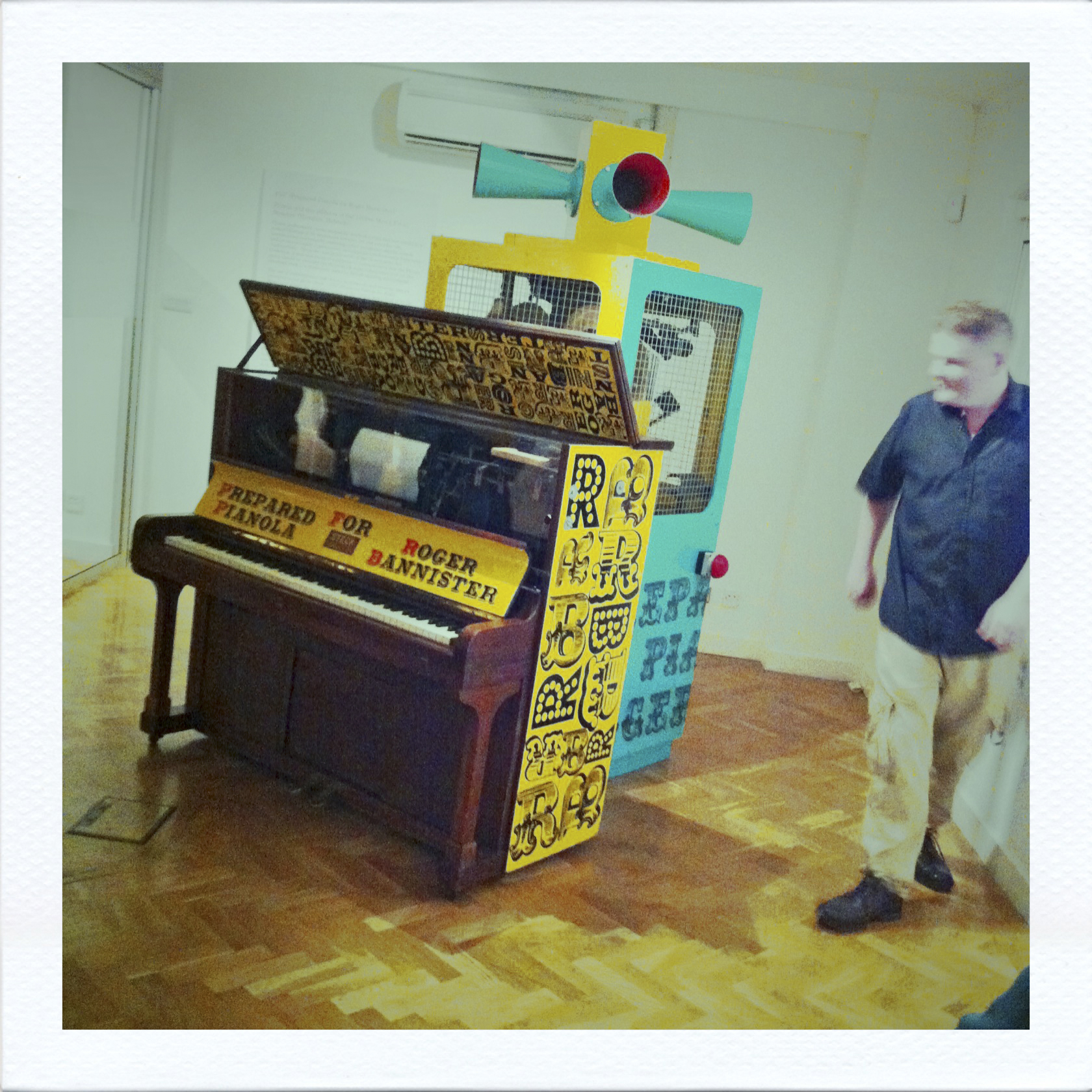
Mel Brimfield, 4’ 33” (Prepared Pianola for Roger Bannister).
Strangest piece of art owned by We The People, seen on a short tour of the Government Art Collection. [4’ 33”, a 1952 composition by US experimental composer John Cage (1912-1992), is referenced in the title but not played. The actual score for the pianola takes as its starting point athlete Roger Bannister’s performance in the 1952 Helsinki Olympics where he came fourth – the race that spurred him on to his sub 4 minute mile].

Piano

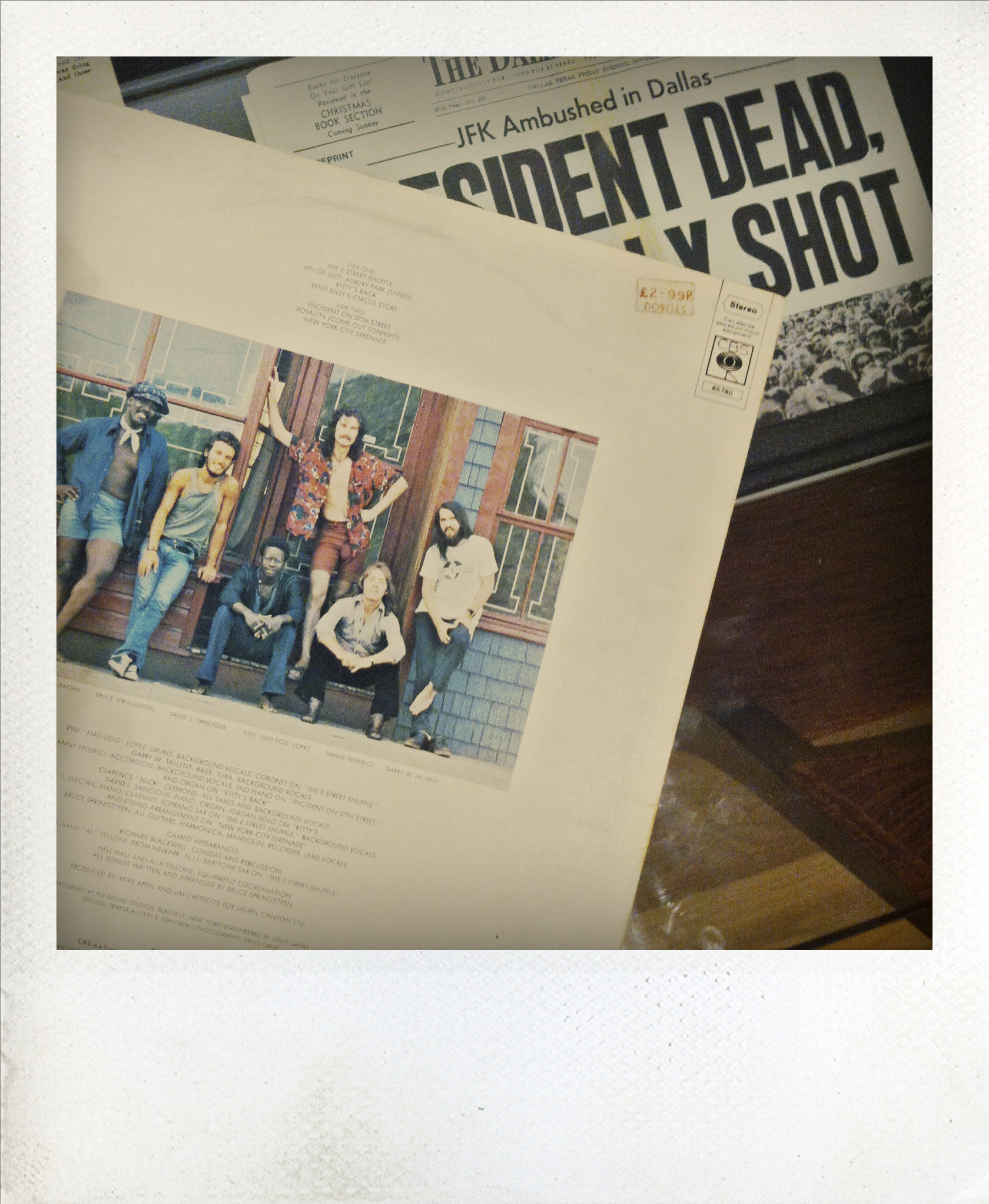
Bruce Springsteen, New York City Serenade, Rome
I remember a night in Sheffield, in 1974, when my friend Mike and I played this track (newly released) to Colin Graham, old family friend, editor of Angling Times, and big-time “Jazz Buff”. We were trying to prove that rock musicians could play their instruments and felt the combo of Bruce and David Sancious was a good bet… or something like that. In a game of what Charlie Gillett would turn into Radio Ping-Pong, we were searching through the records we’d brought with us (oh for an iPod) for something that we thought could pass muster. I wish I could recall what Colin, pipe in mouth, thought of it. Watching this recent performance of it, beautifully filmed and played, gives a Proustian rush back to the time I spent obsessively listening to The Wild, the Innocent & the E Street Shuffle. Apparently I bought it at Dobells, and it was £2.99.

Bruce

Five Things: Wednesday, November 20th

In Bob News This Week
Watch this. Most. Jawdropping. Music Video. Ever. The world of US TV skewered with humour, with shades of Bob and Larry Charles’ dystopian nightmare Masked & Anonymous hidden in the glossy surface (watch those news channels again and look at the ticker tape lines–BANKS STILL DEALING IN IMAGINARY MONEY, for instance). A triumph of technology and imagination, it’s also very funny. Love the Kanye West quote. Hats off to Vania Heymann, who had the idea.

Dylanvid

In other news, Hugh and I wander over to Bond Street for the press view of Bob’s Iron Range welded metal work at the Halycon Gallery. Hugh is disappointed that rough and rusted metal has been so highly varnished that it looks like cookware rather than sculpture.

BobCarDownstairs are Bob’s huge re-Photoshopped magazine covers (very strange, and not very good) and his Gangster Doors, vintage car doors riddle with gunshots. At this point, I confess I felt like Mr Jones.

Oh, George! You Card!
Tom Junod, in US Esquire: “Being Clooney, he does not only write to Brad Pitt, however. He also writes as Brad Pitt. A few years ago he even had some stationery made up with Brad Pitt’s letterhead. Then he found a book about acting and accents and sent it to Meryl Streep, with an accompanying note. It said, “Dear Meryl, this book really helped me with my accent for Troy. I hope it helps you too.” He signed it “Brad Pitt.” Then he sent another letter to Don Cheadle on “Pitt’s” stationery. As long as Cheadle has been acting, he has dreamt of playing Miles Davis. So the letter informed Cheadle that Pitt’s production company had acquired the rights to Davis’s life story. The letter said that Pitt wanted him to star in it.

As Charlie Parker.

Now That’s What I Call A Career
Mike O’Neill obituary by his daughter Jess, The Guardian
My father, Mike O’Neill, a piano player and songwriter who enjoyed his heyday in the 1960s, has died of cancer aged 75. Born in Lowton, Lancashire (now in Greater Manchester), the oldest of four brothers, he grew up in the 40s causing havoc as a child. He later took a job in the steelworks, but decided to teach himself the piano instead, eventually hitching his way to London, where he threw himself into the music business. After playing with Colin Hicks and the Cabin Boys, he fronted the instrumental group Nero and the Gladiators who performed in togas and had hits with rocked-up versions of “Entry of the Gladiators” and “In the Hall of the Mountain King”. After leaving the band he went on to play with the Ivy League and the John Barry Seven and was a founding member of Heads, Hands and Feet with Tony Colton and Chas Hodges (of Chas and Dave fame). A prolific session musician, Mike played with the Beatles, Jerry Lee Lewis, Dusty Springfield, Shirley Bassey, Deep Purple and Chuck Berry. He even jammed with Jimi Hendrix, who reportedly thought about taking Mike on as his pianist. Mike also played on Donovan’s album A Gift from a Flower to a Garden, toured with Joe Cocker and even gave Dire Straits their name. Mike’s childhood friend Clive Powell arrived in London and joined him in his flat in Old Compton Street, Soho, where he introduced him to jazz and the 2i’s coffee bar. Powell then began to perform under the name Georgie Fame and recorded some of Mike’s songs. In the 70s, Mike drifted into theatre and was musical director with the 7:84 theatre company, where he met his wife, the actor Rachel Bell, whom he married in 1979, and worked with the playwright John McGrath. He later went on to work as a doorman at the Royal College of Art, becoming great mates with Eduardo Paolozzi – who swapped sculptures and prints with him in return for back copies of National Geographic, which Mike lovingly rescued from many a London charity shop. He loved to paint and draw and was the kindest, most generous and good-hearted man you could ever hope to meet.

Triptych From Marrakech
Drummers in the Jemaa el-Fnaa Square. Always go to the barbers with the painting of Liberace on the door for a shave. I understand this list of chefs and restauranteurs, but was puzzled by the inclusion of Ray Charlz.
Marrakech

Five Things: Wednesday 13th November

A Great Picture

Birkin Jane Birkin & Serge Gainsbourg, from a new book of her brother Andrew’s photographs.

A Great Lyric
Jimmy Webb interview by Dave Simpson, The Guardian.
The lyrics to MacArthur Park infuriate some people. Someone left the cake out in the rain/I don’t think that I can take it/’Cause it took so long to bake it/And I’ll never have that recipe again. They think it’s a psychedelic trip. But everything in the song is real. There is a MacArthur Park in Los Angeles, near where my girlfriend worked selling life insurance. We’d meet there for lunch, and there would be old men playing checkers by the trees, like in the lyrics.

I’ve been asked a million times: “What is the cake left out in the rain?” It’s something I saw – we would eat cake and leave it in the rain. But as a metaphor for a losing a chapter of your life, it seemed too good to be true. When she broke up with me, I poured the hurt into the song. It was always around seven minutes long – not 22 as has been written.

Bones Howe, a fellow producer, had asked me to create a pop song with classical elements, different movements and changing time signatures. “MacArthur Park”, more of a suite than a song, was everything he wanted, but when we presented it to his new act, the Association, they refused to record it. It was the late 1960s and I was doing music for an anti-war pageant with some Hollywood stars, including Mia Farrow and Edgar G Robinson. Richard Harris and I started hanging out after rehearsals and drinking Black Velvets: 50% Guinness, 50% champagne. One night after a few, I said: “We ought to make a record”. He’d starred in the movie Camelot and sang every song in it beautifully. A few weeks later, I received a telegram: “Dear Jimmy Webb. Come to London. Make this record. Love, Richard.” He always called me Jimmy Webb.

I got a flight and stayed with Richard in Belgravia. Over the course of two days, we tore through 30 or 40 of my songs. I was playing the piano and singing. He was standing there in his kaftan, waving his arms and expressing excitement at some songs, not so crazy about others. The best went into his debut album, A Tramp Shining. MacArthur Park was at the bottom of my pile. By the time I played it, we had moved on to straight brandy, but Richard slapped the piano. “Oh Jimmy Webb. I love that! I’ll make a hit out of that, I will.”

I recorded the basic track back in Hollywood, with myself on harpsichord accompanied by session musicians the Wrecking Crew. We rehearsed it a few times, then played it right through, using the first take and adding the orchestra painstakingly later. When Richard did the vocals at a London studio, he had a pitcher of Pimm’s by the microphone. We knew the session was over when the Pimm’s was gone. I never could get him to sing the title correctly. He’d say: “Jimmy Webb, I’ve got it!” Then he’d sing: MacArthur’s Park…

A Great ebay Listing: Will Post, But Only To UK…

BeatA Fake Bob Dylan Cover
Steve tells me he had a dream where Bob Dylan was a dog walker. I made him the album cover. (Photo by Ken Regan/morrisonhotelgallery.com)

BobcoverA Terrific Guitar
At a press brunch for Southern Tourism, and again at the Hatch Show Print Exhibition, [free at Chelsea Space, the gallery of Chelsea School Of Art, at Millbank, go now] we hear Trent Dabbs and Amy Stroup face an intimate bunch of strangers and entwine their voices beautifully while singing smart, literate songs from the latest alt-end of Nashville. As a bonus, Trent’s got quite the nicest Gibson J-200 I’ve ever seen, tobacco-brown and sweet-toned. Late 80s model, and he had to prove he was worth it by playing a a set of songs to the guy selling it.

J-200

Five Things: Wednesday 6th November

extra-WexlerJourney Through The Past No. 2
Before the web, if you liked something, you ripped it out of the magazine and filed it away. And then twenty years later, you find it again. Letter to The New York Times from the late, great Jerry Wexler… [click to enlarge].

I Always Like to Hear How Things Get Named
Fun fact: How did Just Seventeen get its name? Founding editor David Hepworth says: It’s always funny to reflect on the names that magazines could have had. Steve Bush, the art director, wanted to call it ‘Sasha’. We had to call it Seventeen because that was the right title for a magazine for 14-year-olds. The publishers of the American magazine of the same name made legal noises and so we had to come up with an alternative. Peter Strong, the publisher, suggested adding the word ‘just’. It wasn’t until years later I realised he must have got that idea from the Beatles song “I Saw Her Standing There”.

A Couple Of Things I Read This Week Concerning John Coltrane
Recalling the crucial year he turned 20 in MOJO’s 20th Anniversary issue, David Crosby tells of his time as an itinerant troubadour, playing coffee houses in New York, Miami, Omaha and Chicago. It was there that he saw a performance that would profoundly affect him: “During my Chicago stint, I had one of the best experiences I ever had in my life! I was living in an apartment with an English guy called Clem Floyd. His girlfriend was a little German hooker who was about four and a half feet tall. One day she said to us, ‘Do you wanna hear some real music? John Coltrane is playing on the South Side.’ So this attractive little German girl took Clem and I down to McKee’s—163rd and Cottage Grove, way South. We were the only white people in the room.

The way ’Trane played then was that the band would come out and the set was one song which would start out with ensemble playing. ’Trane would warm up by blowing a little to get going, and they all took their time because they figured their set would be an hour-long so they had time [to stretch out]. He’d play for a bit and walk off still blowing. Then McCoy Tyner would play…

Now, with McCoy Tyner, I’d never heard anybody play piano like that. At that point ’Trane had two bass players, Jimmy Garrison and Reggie Workman. They had a conversation that was stellar, and then it was Elvin Jones’s turn. Now, I will admit to being higher than three kites hooked up in series. I was so high, I was hunting geese with a rake. I was blitzed. Elvin Jones is a pretty intense drummer. I think that’s understating the case, don’t you? [His playing] pushed me up from the table and up against the back wall of the room! I’m standing there trying to hold on and I ducked into the men’s room.

So I’m in the men’s room, I’m trying to come down just enough to stay on this planet, and I’ve got my face pressed against this tile. I can still remember the colour of this filthy, light puke-green tile. I’m leaning against it because it’s cool. And–blam!–someone kicks the door in and it’s ’Trane. [Makes shrieking jazz noises, as if playing a sax] He’s doing that and by this point he’s burning! Burr-ning! [Makes more squalling jazz-orientated noises]. Skee-sa-wee-eek-swark! And I’m up against the wall. He doesn’t even know this little fake kid’s in there. He’s playing in there because it’s a good sound. And at that point my mind ran out of my nose in a puddle on the floor!”

It really affected me,” he says. “I realized that there were levels that I could never get to but, suddenly, I could see what direction I wanted to go in. There were things that jazz musicians could do that I could never hope to do. I’d listen to the chords McCoy Tyner played and they weren’t in my world. I had never heard those chords. I had listened to Gerry Mulligan and those kind of people, but I hadn’t seen the intensity level of those guys with ’Trane. I knew that somehow I wanted to reach for more. I wanted to move from [Broadway standard-turned-folk tune] “They Called The Wind Maria” to ’Trane playing “My Favorite Things”. Now, I feel I had a direction.”

Matthew Carter, brilliant type designer, from a profile in the New Yorker that I ripped out years ago: In 1960, Carter travelled to New York where, he says, “I was made abruptly and forcefully to realize that I knew nothing.” He felt that he was faced with two choices: to slink home, or resolve to stay. “The cowardly part of me could have gone back to England  and pretended I hadn’t seen all of this design”. In the spring of 1960, the John Coltrane Quartet played its first engagement. Carter was in the audience. Over several weeks he heard them three or four times. “Sometimes they played the same songs in the second set as they played in the first, not because they were lazy, but because they wanted to surpass themselves, or find something in the music that they hadn’t found earlier in the evening. They were that acute.” Listening to them, he decided that he owed it to himself to try and stay in New York. “Their seriousness of purpose was a lesson. I could have been dishonest enough to return to England and say I hadn’t seen great design. But I couldn’t somehow pretend that I hadn’t heard the John Coltrane Quartet.”

Indulged Rock Star Gibberish of the Week
“The Oslo hotel where you can sleep with your favourite rock star [Projected onto the bedsheet next to you]” blah’d The Guardian… “The idea came from A-ha’s Magne Furuholmen, Coldplay’s Guy Berryman, Mew singer Jonas Bjerre and producer Martin Terefe, who together make up the pan-European supergroup Apparatjik. They were given carte blanche to decorate The Thief hotel.” Then comes the gibberish: “We started by going around tacky gift shops trying to find things to make the room as kitsch as we could and create a sort of ‘disco combat’ feel,” explains Furuholmen. “We found pixelated carpets, retro fabrics, lots of vinyl, and something every hotel room needs: a disco ball for the bathroom.” Furuholmen and his band mates took these treasures and created Apparatjik World, an eclectic mix of art, video, music and installations – including projections of band members dressed as semi-nude muscle men with bulging silver posing pouches (“we like a costume: it gives us freedom,” says Furuholmen). The result? “Quirky … with a touch of insanity,” is how Stordalen describes his new suite.”

Oh, those buzz words that rock musos so love… Quirky, tacky, kitsch, retro… reaching a nadir with that deathly phrase ‘disco combat feel’. I mean, how dated is that. Didn’t U2 give us that about twenty years ago? Oh, and mention of Bono reminds me of the upcoming attractions at the Soho Theatre… Go, Jane…

Jane

Is This A Good Idea? Will The Mumfords Be Involved? (I Think We Know The Answer)
“Bob Dylan’s music publishing company recently discovered lyrics Dylan wrote in 1967 for informal sessions with members of The Band that later became known as The Basement Tapes. Dylan has entrusted T-Bone Burnett with these lyrics, and early next year—nearly 47 years since the legendary original sessions [ed’s note: love a good “nearly 47” anniversary]—Burnett will assemble a select group of contemporary recording artists in the famed Capitol Studios to complete the songs and record them as a band. Fans will experience this historic creative collaboration through an album release, as well as a documentary film and book of photography by award-winning filmmaker and photographer Sam Jones (The Wilco documentary, I Am Trying To Break Your Heart, and his interview show, Off Camera with Sam Jones).—prnewswire

Five Things: Wednesday 30th October

Down With The Cool KIds
The depressing lack of cool jazz in the new series of Homeland is more than balanced by its recent appearance in Downton Abbey, thanks to young Lady Rose. As an imported-from-London Jazz Orchestra plays, Lady Grantham (Maggie Smith) is asked by a guest: “Is this your first experience of Jazz, Lady Grantham?” “Oh, is that what it is?” (pregnant pause, looks at the band…) “Do you think any of them know what the others are playing?”

Virgin 40th Anniversary Pop Up (or down) Exhibition, Bloomsbury
Deep in the basement of one of those extraordinarily grand ‘London Headquarters’-style buildings from the beginning of the 1900s that resemble landlocked battleships, a hollow hagiography of a label I always found slightly naff. I’d gone because I thought they had recreated the original Oxford Street shop, opened in 1971, where as a teenager it had usurped Dobell’s for me as a place to buy music, because they sold bootlegs. Upstairs, under the counter. You had to get to know the guys in the shop, and you had to know what you were looking for. “Have you got, uh, Wooden Nickel? Stealin’?, Oh, great, thanks, that’s £3, right…”

Virgin

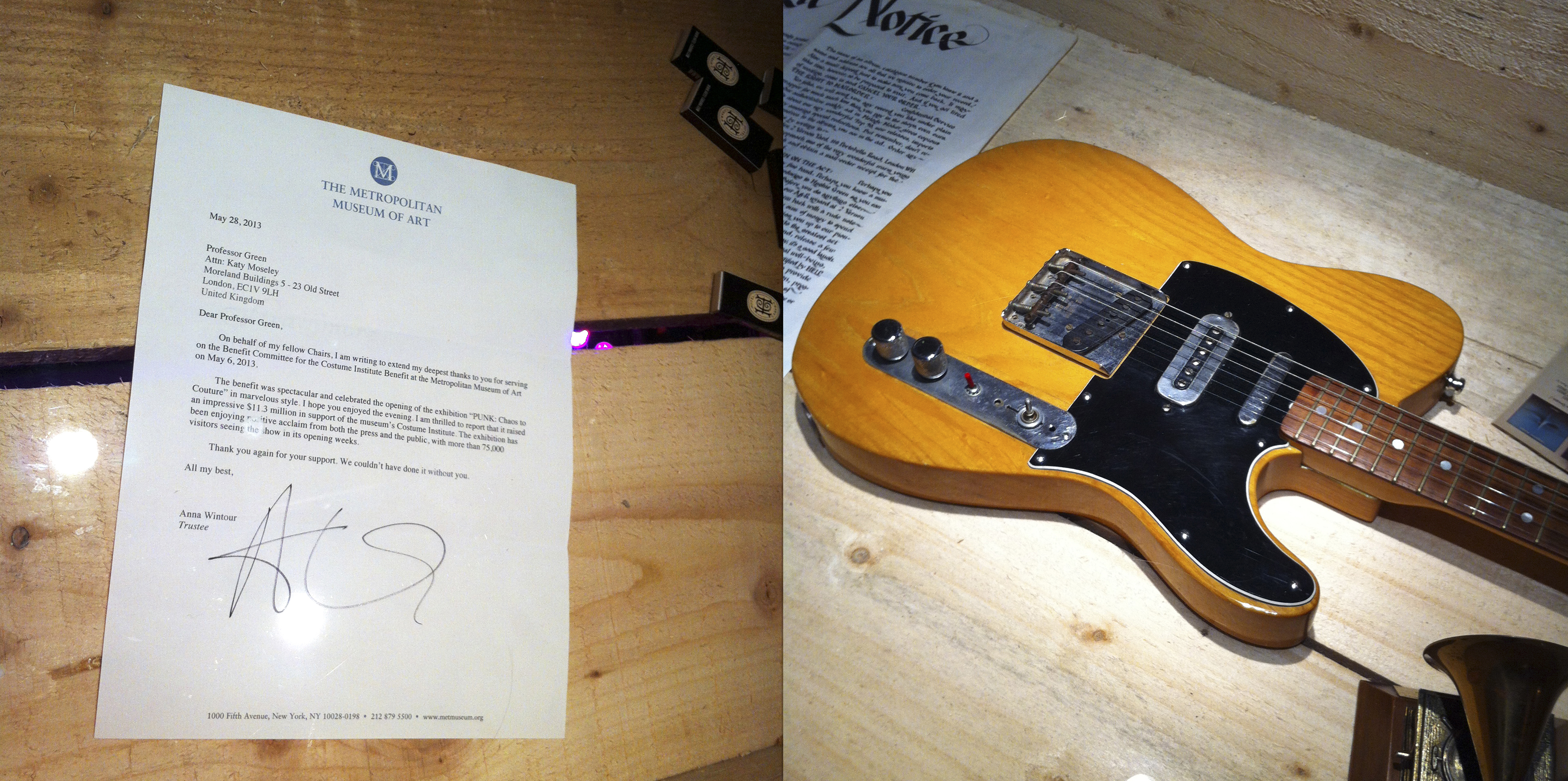
Photo shows Ridiculous letter from Anna Wintour to Professor Green that is beyond comment, and modified rusty Telecaster, one careful owner, as played on Tubular Bells. [Click to Enlarge]

[However, they hadn’t recreated Oxford Street, but the Notting Hill branch at the time of the Sex Pistols NMTB launch, which felt a bit lame. Note: The word “bootleg” originates from the practice of smuggling illicit items in the legs of tall boots, particularly the smuggling of alcohol during Prohibition. The word, over time, has come to refer to any illegal or illicit product and has become an umbrella term for unofficial, or unlicenced recordings.—Wikipedia]

Reed Between The Lines
Watching the BBC video of “Perfect Day” as it ended another tribute to Lou Reed I was struck by the less obvious artists who appeared in it: Emmylou Harris, Dr John, Robert Cray… did you remember Robert Cray singing a line? I listened to New York whole, top to bottom, as Lou wished. It’s my favourite Reed album, and I remember boring friends in 1989, endlessly making them listen, saying it had the greatest guitar sound ever recorded (the chorus guitar of “Hold On”). It opens with the killer triple-whammy of “Romeo Had Juliette”/“Halloween Parade”/“Dirty Blvd”. Sensational. Best piece of writing from the past few days about him is here.

Van Morrison, Into The Mystic, Take 11
Nothing will replace in your heart the Moondance version of a song Morrison first titled “Into The Misty”, but listen to this tracking session take. Van on intense, focused and dynamic rhythm guitar, possibly John Platania on second guitar, drummer Gary Mallaber and bassist John Klingberg playing off his lead… these guys are in the moment, in the mystic and it’s glorious. As Lou would say, you can’t beat two guitars, bass, drum.

Ronnie Wood Ticket For Sale. Stop Pushing At The Back.

Wood
Someone included me in a round robin offering this for sale. £125? For Ronnie Wood playing three chords for two hours. I love Jimmy Reed, but there are limits. I saw a Sky Arts tribute to BB King the other day, where a large group of guitarists and singers added very little to B’s show. In the 30 minutes I saw, Ron contributed the least, but was a jocular figure, happy to be there. Mick Hucknell sang, Susan Tedeschi barely got a look in on guitar but sang very nicely. Slash was jarringly inconsistent, sometimes good, sometimes not. B was imperious when he played, which was not a lot of the time, but was always telling, which others weren’t. But the man who was king was humble Derek Trucks, whose mix of slide and fingers pulled off a truly wonderful solo in the sentimental ol’ slowie “Guess Who” and knocked everyone else into a cocked hat.

Five Things: Wednesday 23rd October

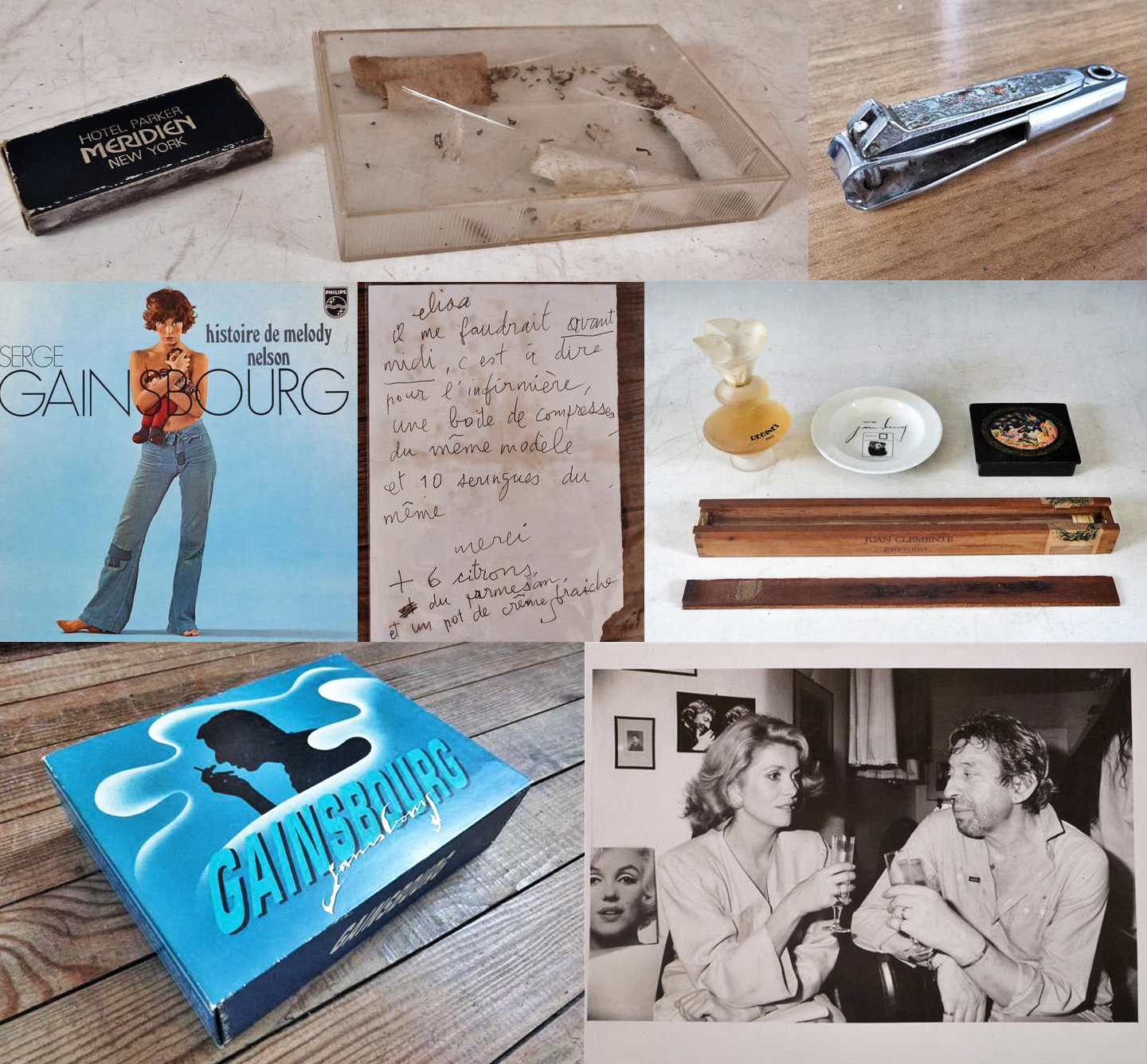
Gainsbourg Auction: + 6 citrons, du parmesan, et un pot de crème fraîche, merci…
A bizarre collection of Serge Gainsbourg’s belongings are at auction on October 31. The list of items include four cigarette butts in a cassette case (estimate £425-£600), a pair of his nail clippers (estimate £40-£70), and a telegram to his wife, Jane Birkin, of controversial Number One single “Je T’aime… Moi Non Plus” fame. Last year his handwritten shopping lists were sold for £6,540. Said David Richard, a spokesperson for the auction house: “When we sold those we realised there was a great interest in items from his everyday life. Quite a lot of the bidders were women and they were prepared to go quite far but it’s always difficult to know how much people are prepared to pay for these things”. Well, here’s a few of my favourite things (but I think I’ll pass on actually bidding):

Serge

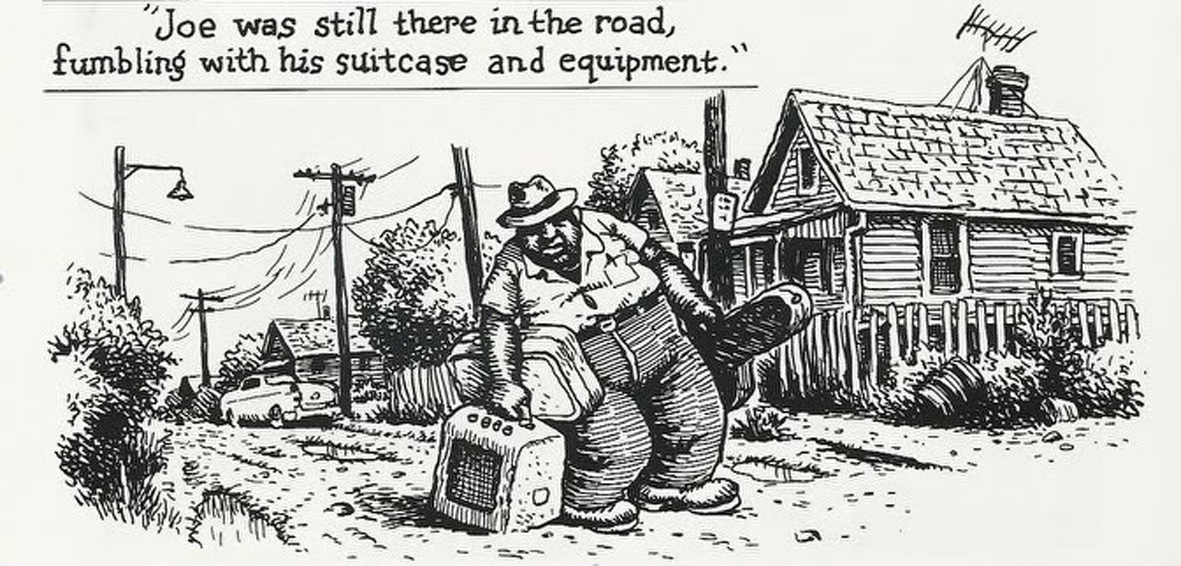
From Michael Gray’s Outtakes blog, Mike Bloomfield and Big Joe Williams:
In 1980 Mike Bloomfield published a short memoir, Me and Big Joe, which not only portrayed the difficulties of their relationship very honestly but also, in Peter Narváez’ phrase, illustrated “the cross-cultural triumph of the blues tradition”. Bloomfield wrote: “Joe’s world wasn’t my world, but his music was. It was my life; it would be my life. So playing on was all I could do, and I did it the best that I was able. And the music I played, I knew where it came from; and there was not any way I’d forget.” I really love that sentence, and reading more excerpts discover that the book is compelling, well-written and illustrated by Robert Crumb.

Joe

Favourite Story Of The Week
Tony Bennett questionnaire, The Guardian: Q: You must have mixed with them all… I lived for 15 years in Los Angeles and I still can’t believe that the handsomest man in the world, Cary Grant, and the greatest performer in the world, Fred Astaire… were in my home. I celebrated my 50th birthday with them. Unforgettable.

Did any of them do anything in your home that you’ve had to keep secret? No. But once Dean Martin was in his home, having this mad party, and he was trying to study his lines for a television show so he called up the police and said: “I’m Dean Martin’s neighbour and there’s too much noise coming from his house. Have the police come and slow down the party.” And the police came and broke the party up and he got rid of everybody in the house.

A Note On Packaging The Past
I give into temptation. I’ve bought this music on vinyl, in 1972. In its first digital form on CD in the late eighties. On remastered CD in 2000. And here we are, buying it again in 2013, remixed, re-programmed, repackaged. Rock of Ages by The Band, originally in a three-gatefold sleeve of purple with Bob Cato’s enigmatic oriental statue on the front and mysterious pictures by Magnum’s Ernst Haas (the impressionistic colour ones) and John Scheele (the beautiful B&W’s) on the inside. One of the great live albums of the rock era. As Allen Toussaint says: “They dance by a different drummer, all the time. There was nothing stock about them”. But I baulk at the stupidly-priced Venal-Record-Company-Death-Throes Box Set, with its 5.1 Surround Sound DVD version of the tracks and the Sebastian Robertson soundboard mix of the uncut New Year’s Eve night. Come on. How many times can the people who love this music be ripped off? Yes, I know that everything in Heritage Rock World™ has to be a ‘production’. And, yes, it sounds fantastic, remixed by Robertson and the brilliant Bob Clearmountain with a staggering degree of detail. But then, it always did sound fantastic, I just didn’t know it could sound better, and may never have felt I was missing out…

And Also…
Robbie Robertson’s liner notes are less annoying than usual. I love his comments about Rick Danko: “Rick showed something during this period that I still don’t understand. While singing like a bird, he played a fretless bass… in an unorthodox style that worked against reason and normality.” Toussaint again: “Rick Danko – his approach, there’s nothing like it. Some people, you can tell what school of thought they come from on the bass… I don’t know where Rick Danko comes from. I don’t know his source of reference… it was just his very own thing and I think it was perfect”.


Five Things: Wednesday 16th October

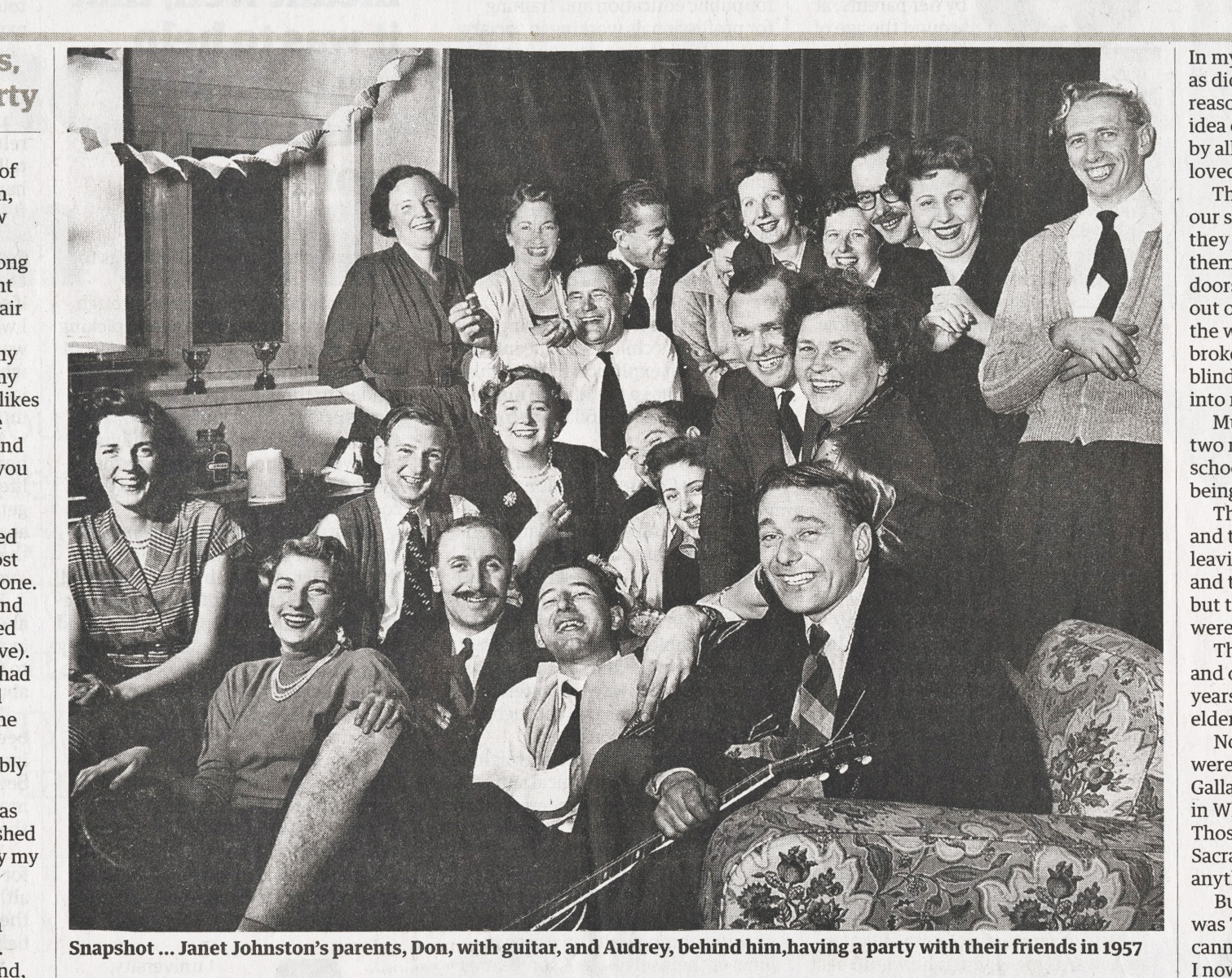
Snapshot: My parents, who knew how to party by Janet Johnston, from The Family Section, The Guardian

Snapshot
It’s Christmas, probably 1957. This photo was taken in the front room of my childhood home in Birmingham, and there’s a party going on. I know nothing about this. My sisters and I have been tucked up in bed long before the guests arrive. At the front are my parents – Don, in the armchair with his guitar, and Audrey, just behind him. The other partygoers are my beloved “aunties” and “uncles”, my parents’ friends. This includes the likes of Uncle Bunny, Auntie Jean, Uncle Reg, Auntie Margaret, Uncle Fred and Auntie Val, Uncle Stan – names you don’t hear so much today.
Uncle John must have taken the picture, as he’s not in it. He’s captured the mood perfectly; you could almost be there, laughing along with everyone. There’s no trace of 1950s greyness and austerity (except perhaps the twisted crepe paper decorations in the alcove). My parents knew how to party and had a knack of making everyone around them happy. Auntie Val, who sent me this photograph recently, said: “We used to have such fun.” Quite possibly my mother has just told one of her very naughty jokes for which she was famous, or maybe they had just finished singing a silly song, accompanied by my father on the guitar.

Heads Up: Depressing re-emergence of Barre-Chord Rock
The return of Kings Of Leon seems to have presaged this dire turn of events. Now Jake Bugg is on Later is doing Church Hall Rock (or Church Crypt Rock, or Scout Hut Rock, even) – that style of music beloved of those who picked up a guitar in the Seventies and thrashed away in the nearest rehearsal space they could find, moving their hands up and down the neck, fingers locked into that one bloody shape. These people are too young for that. Surely we’ve come too far for this, lads?

Piers Morgan: my fight with the US pro-gun lobby
“A petition has been launched on the official White House website to have me thrown out of America. It’s been posted by an organisation called InfoWars, led by an extreme rightwing radio host called Alex Jones. Entitled “Deport British Citizen Piers Morgan for Attacking Second Amendment”, it states: “British Citizen and CNN television host Piers Morgan is engaged in a hostile attack against the US Constitution by targeting the Second Amendment. We demand that Mr Morgan be deported immediately for his effort to undermine the Bill of Rights and for exploiting his position as a national network television host to stage attacks against the rights of American citizens”. I asked my manager if this could actually be successful. Well, they tried to deport John Lennon, but failed, he said, encouragingly. Mind you, he did write “Imagine”.”

From The Big Box of Nonsense, Coningsby Gallery W1
Lovely work by Andrew Baker, a series of giclée prints next to woodcuts printed from the same digital files, of nonsense poems by John Lennon, Ivor Cutler and Spike Milligan, among others.

Lennon

Peter Serafinowicz Sings The First Page of the Morrissey Book
Just great. I’m with Richard Williams on this: “Morrissey’s autobiography is to be published as a Penguin Classic: an effortless insult to every author in the series and every reader, too”.

Five Things: Wednesday 9th October

How We Made Boogie Wonderland, The Guardian
Allee Willis, songwriter: “In the late 1970s, I teamed up with Jon Lind, who’d written “Sun Goddess” for Earth, Wind & Fire. In the disco era, lots of songs contained the word “boogie”, but we didn’t want to write just another dance song. I’d just seen Looking for Mr Goodbar, a harsh film starring Diane Keaton as a dissatisfied teacher, who takes drugs, goes out dancing every night and picks up a different guy. One night, she brings home a sexually confused Vietnam vet who beats, rapes and kills her. I wanted to write about the desperation some people feel – and how dancing can provide a release. The line, “Midnight creeps so slowly into hearts of men who need more than they get/Daylight deals a bad hand to a woman who has laid too many bets”, is so bleak. But the groove came first and – musically – it’s uplifting, with a chorus that feels almost theatrical, like Broadway, like Mary Poppins”.

I’d never noticed those lyrics (or their inspiration). The following lines aren’t much more uplifting: “The mirror stares you in the face and says,‘Baby, uh, uh, it don’t work’/You say your prayers though you don’t care; you dance and shake the hurt”. More ammunition for the Nile Rodgers take on Disco: that the songs were often lyrically acute portraits of the society of the time.

From Chris Floyd’s Blog on photographing Ronnie Wood,
“We are in a prime piece of four story Georgian Mayfair, on the first floor – the second floor if you’re American. The place attracts a multinational crowd.  It’s not an art gallery. It’s a fine art gallery… cultured people with good legs and fine watches. I am here to photograph Ronald David Wood. He is the artist in residence at the gallery. Up on the top floor is his studio. It has all his paints, his brushes, his canvases, a snooker table, and although he’s not actually living here, a huge bed should he wish to take advantage of the resources and crash for a while. Later on I make a joke about how handy this must be if he doesn’t have enough money in his pockets for a cab back to Holland Park, especially after a big night out in the West End. It went right off the cliff.  Sometimes I worry that I get too subtle at the key moments. I’ve been doing it for years.

Everybody who works here calls him Ronnie. They tell me what to expect. Ronnie likes to be involved in the creative process. Ronnie doesn’t like to dwell on things for too long, Ronnie does tend to get bored. That’s ok, I say, I get that a lot. Wherever I go in the building, on any of the four floors, the music of The Rolling Stones plays continuously. All the hits from the last half century. We bring in our equipment from the car outside. It’s the hottest day of the year, thirty six degrees centigrade. The lunchtime streets of Mayfair buckle under the weight of the heat but back inside the fine art gallery the cool air of wealth wafts over all of us from the air conditioning vents.

I set up two different shots simultaneously, so that we can wheel Ronnie from one seamlessly to the next, without losing him to boredom somewhere in between. The most important element is to not give them time to think. If you do that they will always choose to slip away, wander off, disappear. In summary, they will do one. Why? Because when you’ve been in The Rolling Stones for almost forty years you will have had your picture taken tens of thousands of times. There is nothing interesting about it, nothing new, nothing to cause you to think. Having your picture taken for a magazine cover is like what a Payment Protection Insurance cold call is to us. On the whole, you don’t want to be rude but if they go on past a certain point you’re just going to hang up and not feel guilty about it

Sight, target, engage. It’s a military situation. There’s no mirror, signal, manoeuvre here. Whatever it takes. As one gilded Stones hit fades away and a new one immerses us in its familiar scent, a thought comes into my head. A question for Ronnie. Yes, can I ask you something, Ronnie? “Yeah man, as long as it’s not about The Faces”. I gesticulate to the speakers, to the music. “Well, when you go somewhere, a bar, a pub, a restaurant, a shop, a cab, and you hear a Stones song on the stereo, the radio, well, what do you hear? What do you hear that we don’t hear?” The opening bars of “Gimme Shelter” are washing down over us. Ronald David Wood cocks an ear, his body comes up on its haunches as he searches the spectrum for the signal. The only thing missing from this familiar posture is a guitar. The apocalyptic, heart of darkness groove of my favourite ever Stones song cascades down in a torrent over us: “Oh, a storm is threat’ning/My very life today…”

Ronald David Wood finds the signal or, more correctly, the signal finds him and his arm starts to move, followed quickly by his hips. He loses himself in it for five, maybe six seconds, locked inside. Then his head slowly comes up, he pulls his Ray Bans down his nose an inch and his black, black eyes look at me for a second before his nineteen fifties, postwar, Hillingdon ration boy face breaks into the slyest little smirk you’ve ever seen, and he says:

“Yeah…

I like it.”

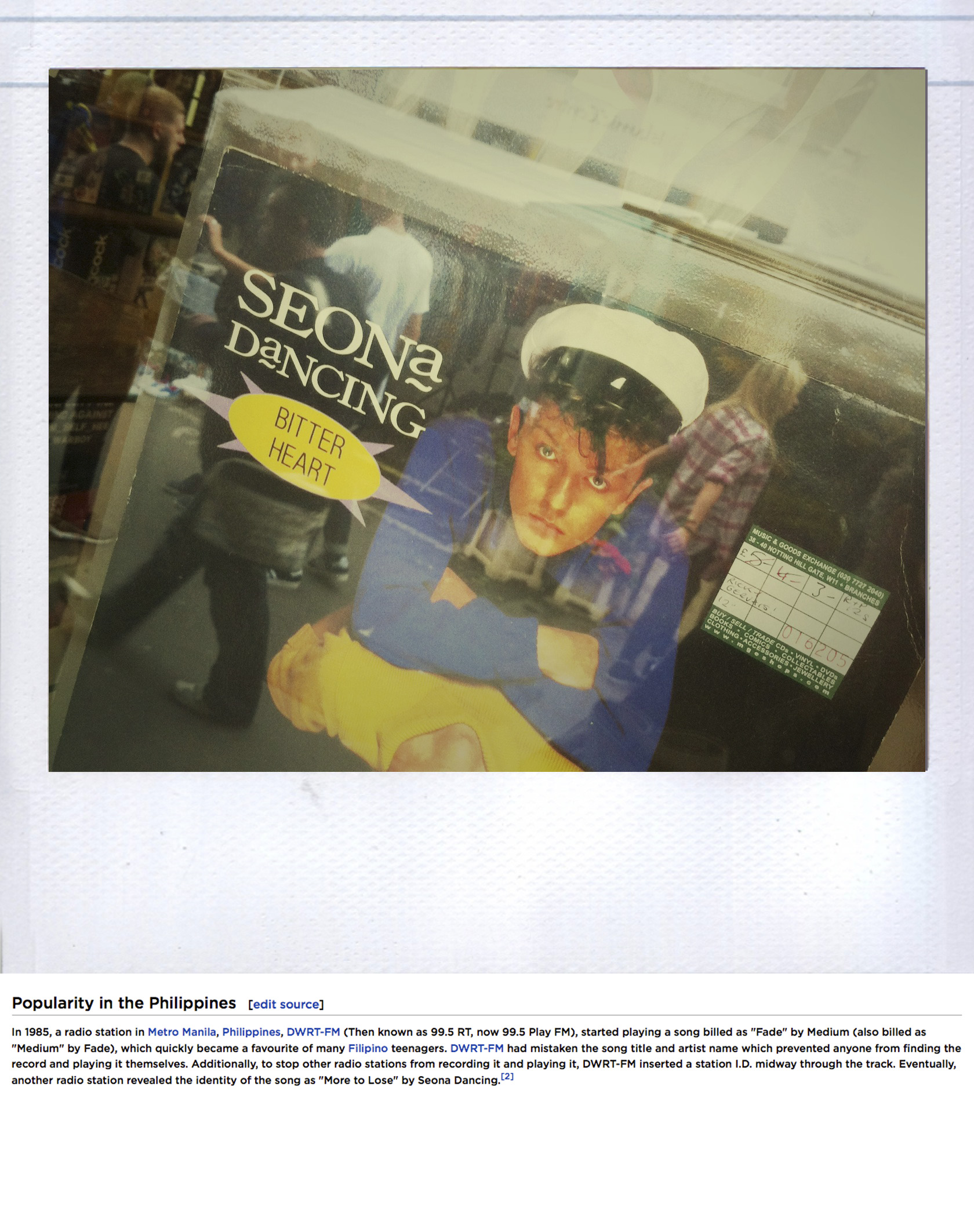
Record Shop Berwick Street: Ricky Gervais, Seona Dancing
I’d never actually seen one of their covers, but Ricky makes a very convincing Boy George/Jon Moss cross…

Ricky

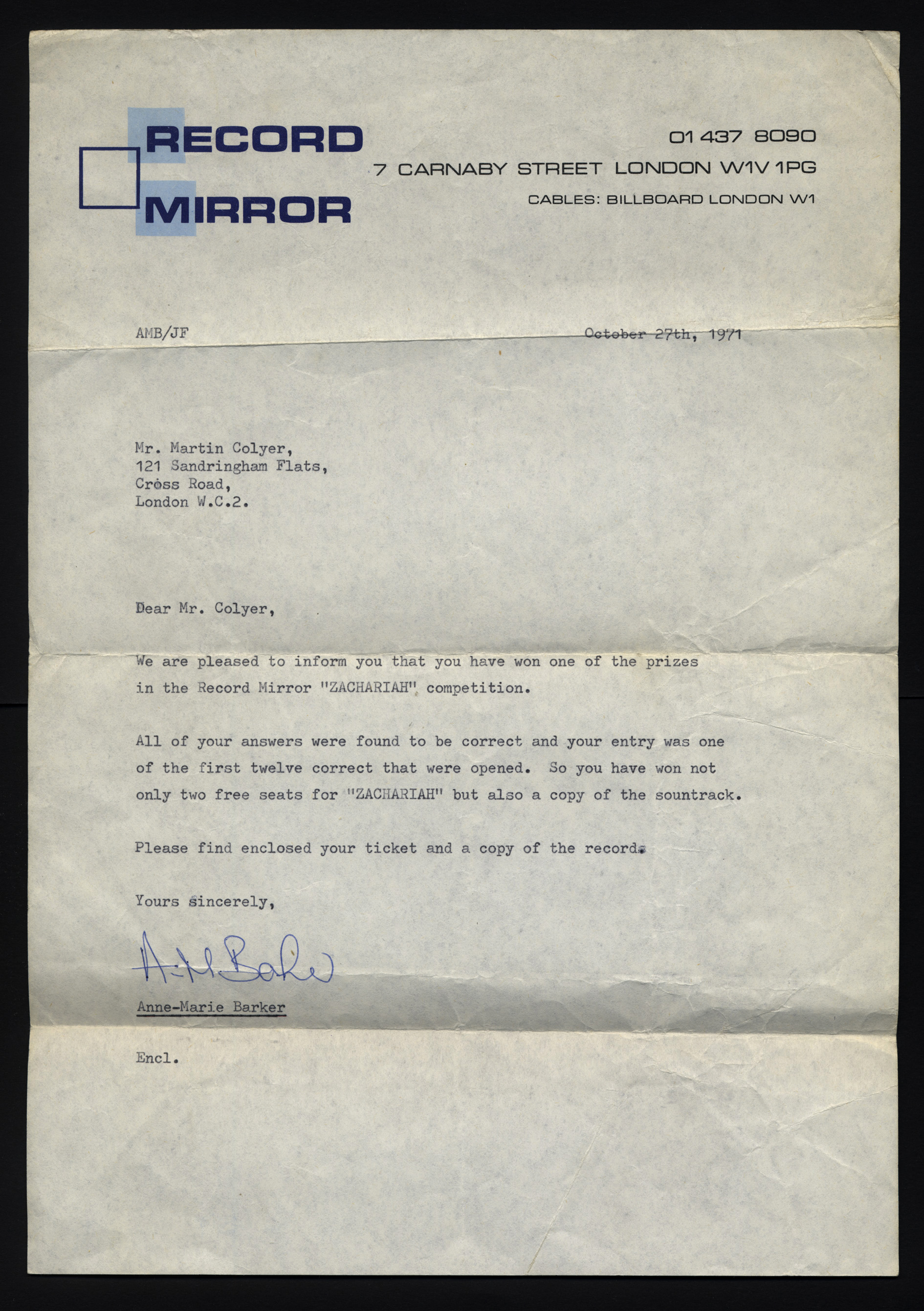
Journey Through The Past: One
I find some things while we’re moving house. This is a favourite… 16 years old and a winner. Zachariah turns out to be a hippie musical western loosely based on Hermann Hesse’s Siddhartha, adapted as a Musical Western by the Firesign Theatre comedy troupe. Country Joe and the Fish star, as an inept gang of robbers called The Crackers.

extra-Record Mirror

Wikepedia: “Underneath the gunplay, the jokes, and the music, an important message is delivered: a life of pacifism, quiet contemplation, male bonding and vegetarianism is preferable to a life of violence”. I don’t remember getting that at all. But Elvin Jones (!) is great as drumming gunslinger Job Cain, and Doug Kershaw plays a fantastic Cajun stomp, ”Ballad of Job Cain” that I treasure to this day – my first exposure to Cajun music, before Charlie Gillett gave us all the Sundown Playboys on Honky Tonk. It gets better. Apparently Ginger Baker was originally going to play the part of Zachariah…  and the film recorded a loss of $1,435,000 (impressive for 1971, no?)

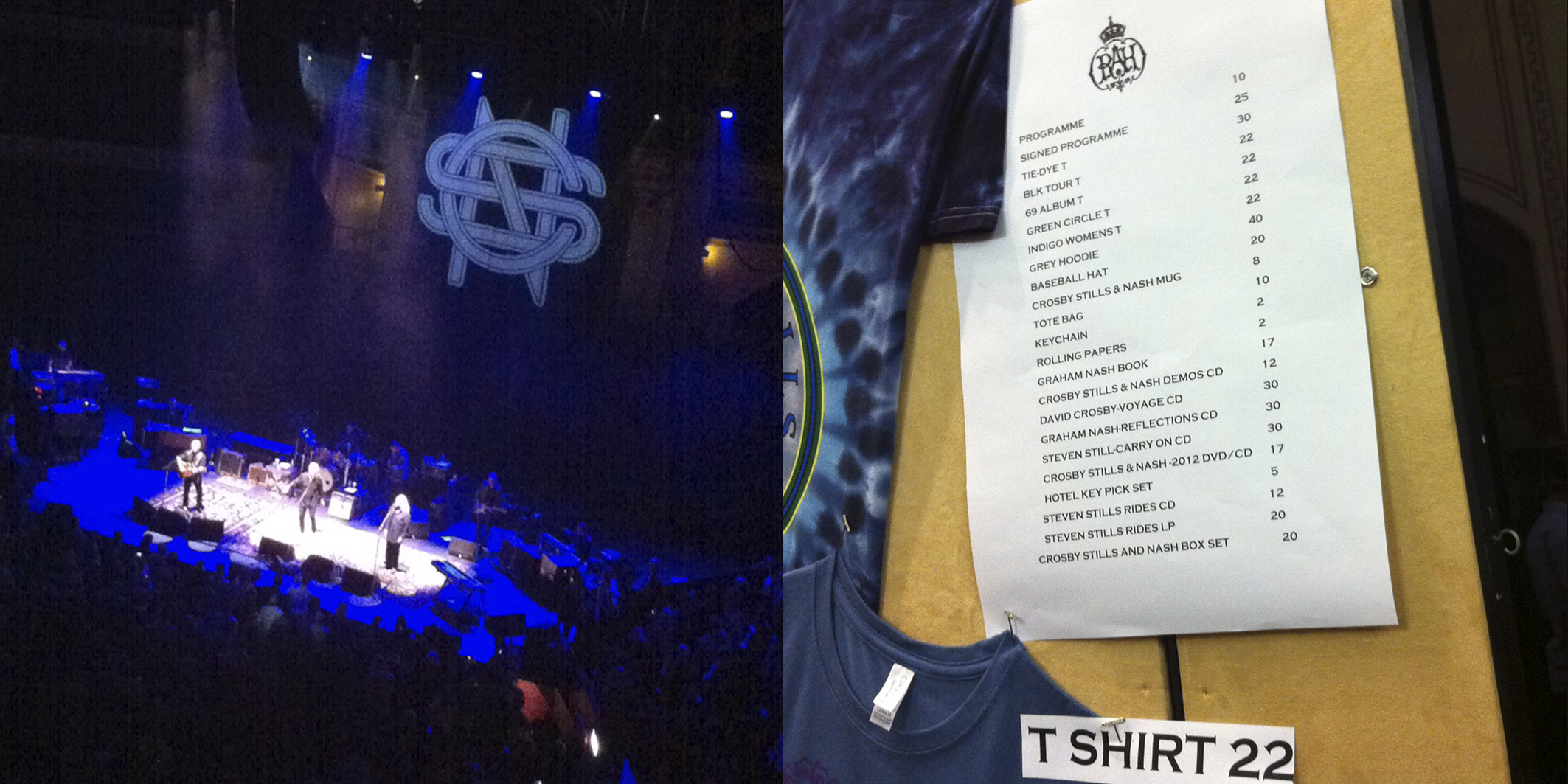
CSN at the Albert Hall
It was almost worth it for Steve Stills’ guitar playing in “Bluebird”. Almost. Three hours of dodgy harmonies, the backing band churning it up like buttermilk and pleas for peace were, frankly, a bit of a slog. Even for songs that feel part of one’s DNA.

It all started with the lights going down to Jeff Beck’s version of “Day In The Life” (a change from “Fanfare For The Common Man”, say, and a neat reference to both the Albert Hall and Stills’ debt to Beck in his soloing). The sound was muggy for the first few songs – the drums in particular a horrible cardboard thump – but it gradually cleared. Unfortunately this revealed that Stills’ voice is shot and that CSN’s live harmonies haven’t got any tighter since the late Sixties. We’re then on a merry-go-round. A couple of Crosby songs followed by a couple of Nash songs followed by a… you get the idea. Crosby comes out pretty well, always an interestingly different songwriter (apart from a dreadful reworking of “Triad”, sounding not unlike a bad 80s cop show theme). Nash, however (Brian Nash, according to the Guardian’s review), is just dreadful. Pompous, pretentious, unpleasantly nasal and off the cliché-ometer lyrically. “Military Madness” and “Cathedral” haven’t improved over the years. A new song, “Burning For The Buddha” is as dreadful as its title.

Pretty much all the fun comes from Stills, launching himself without a safety net into solo after solo. “Bluebird”, the old Springfield chestnut, was dusted off and sent into the stratosphere, all trem-bar swoops and harmonics. It was outrageously good, Stills got a standing ovation, and I was given the will to stay to the end. On “Treetop Flyer” he walked around the stage playing the most beautifully liquid blues fills, nods to Chuck Berry’s “Havana Moon” one minute, to BB King the next, before dashing back to the mike to sing another laconic verse of his paean to Vietnam Vets turned drug smugglers. His solos in “Almost Cut My Hair” were equally good, spurred on by Crosby’s impassioned singing.
Why are band logo's so bad? It’s as if they’ve asked Yahoo’s Marissa Meyer to design them. Oh, and only £2 for CS&N rolling papers…

Why are band logo’s so bad? It’s as if they’ve asked Yahoo’s Marissa Meyer to design them. Oh, and only £2 for CS&N rolling papers…

Finally came the encore of “Suite: Judy Blue Eyes” – all over the shop, but made good by Stills’ channeling Davy Graham for a raga-infused breakdown in the middle. I left the Hall strangely gloomy, wondering if I expected too much.

Five Things: Wednesday 2nd October

Lick The Stamp, Jack!

Cash-Charles

Seeing this just-released stamp of Ray, here paired with an earlier release of Johnny Cash, sent me back to a tape given to me by Bob Wray in Muscle Shoals. Bob (Member of the Third Great Rick Hall Rhythm Section, and a wonderful bassist) was playing on a Ray Charles album. Johnny Cash dropped by the studio and they started playing a Kris Kristofferson song that they both knew, “Why Me, Lord”. Bob described Ray getting so into it as he ripped out a solo on the old beige Wurlitzer that the piano started to jerk across the studio floor, almost crashing over. Just listen to Ray’s stubby intro, heightened by the bass drum, followed by the band dropping right in behind JC. Off the cuff and probably better than anything that made the album. [You can hear it on the music player at the right of the page]

There’s An Owl In The Background
Neil Brand interviewing Angelo Badalamenti about David Lynch in the wonderful Sound of Cinema: The Music that Made the Movies: One day in 1989 the pair sat down at Badalamenti’s piano and, in a single take, wrote the theme for a groundbreaking new television series. Badalamenti tells the story: David comes in and says, “Angelo!” – now we’re pals, you know – and he says, “We’re in a dark wood”, and I’m going like… [plays a pulsing two-chord pattern on the keyboard].

“No, Angelo, those are beautiful notes, but can you do ’em slower?”

“Oh, OK.” [It’s starting to feel closer to the theme we know].

“No, Angelo, slower”.

“David, if I play ’em any slower I’m gonna play in reverse”. (laughs) [He plays what is now recognisable as the opening to Twin Peaks].

“OK, Angelo, now there’s a girl named Laura Palmer, she’s a very troubled teenager and she’s in the dark woods, and she’s coming out from behind the trees. She’s very beautiful, too… give me something that’s her”. [The crepuscular sequence of climbing notes start].

“That’s it, Angelo, now let it build…”

“ ’Cause she’s coming closer, and she’s so troubled”. [Badalamenti plays a string pad behind the piano melody]

“And she’s got tears in her eyes, Angelo, it’s so sad, now reach a climax… that’s it, just keep it going, beautiful, beautiful. Now start coming down, but fall slowly, down, down, that’s it, that’s it, quietly. Now, Angelo, go back into the dark woods, and stay there. There’s an owl in the background…” [the strings disappear and fade].

“Angelo – you just wrote Twin Peaks…”

Later
Kanye West sings “Bound 2” with Charlie Wilson from The Gap Band. I remember when people protested at pop stars when they compared themselves to God or Christ, but I guess there’s so much stuff out there now that no-one bothers. Kanye’s crucified pose at the climax of this song was kind of stupid, but the song itself – fantastic. Built on the back of “Bound”, by the sensationally named Ponderosa Twins Plus One – taking just the intro – and samples of Brenda Lee’s “Sweet Nothin’s”, it’s a highlight track of Yeesus, and could, quite possibly, be your entry point to this great album. He seems a miserable bugger, though. Oh, and mention, too, of Lorde, New Zealand teen sensation! Precocious, or what? Mannered but mature, and a sure, sure sense of melody, pitching her sultry voice against a choir and a synth bass. Real Name: Ella Yelich-O’Connor. As of July 2013, a Year Twelve student at Takapuna Grammar School. God knows how good she could get to be.

Dig/Dead
The Artangel installation of Daniel Silver’s Dig at the old Odeon site on Grafton Way, just off Tottenham Court Road, is fantastic. This musical set of dancing figures, amidst the

DigDead“recovered’ statues of Freud and Darwin, caught my eye. As, later that day, did this bottle of Grateful Dead wine. Tasting notes will follow anon (apparently the Rolling Stones 40 Licks offering is not up to much, but the guy at Gerry’s told me this was a proper bottle of wine).

The Man With The Bullwhip Speaks, Finally
Sorry it’s more Bob stuff, but Rick emails me this fascinating story about Victor Maymudes, Dylan’s righthand man in the ’60s. This short film is part of a pitch, and his son is now working on a manuscript taken from hours of interviews done in 2000.