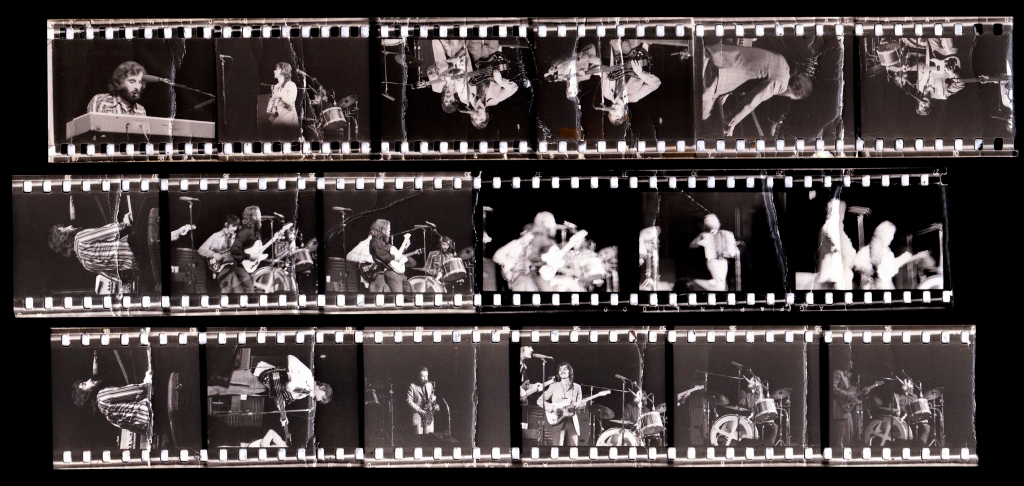
Every April I think about Richard Manuel, born on April 3, 1943, in Stratford, Ontario. I still remember where I was in March 1986, when I heard that he had taken his own life — the magazine art department of The Observer newspaper. I remember feeling unmoored for days, which seems too much of a reaction for someone I hadn’t met or known personally, but The Band had been such an important musical influence on my life. They were my equivalent of another generation’s Louis Armstrong or Hank Williams or Charlie Parker. When Sam and Ann Charters came through London on their way to live in Sweden in 1971, Sam had brought me five of his favourite albums as a gift. One of them was Music From Big Pink. He sat me down (I was fifteen at the time) and played me his favourite song, Richard’s “In A Station”. It sounded like nothing else I’d ever heard. It still sounds like nothing else I’ve ever heard.
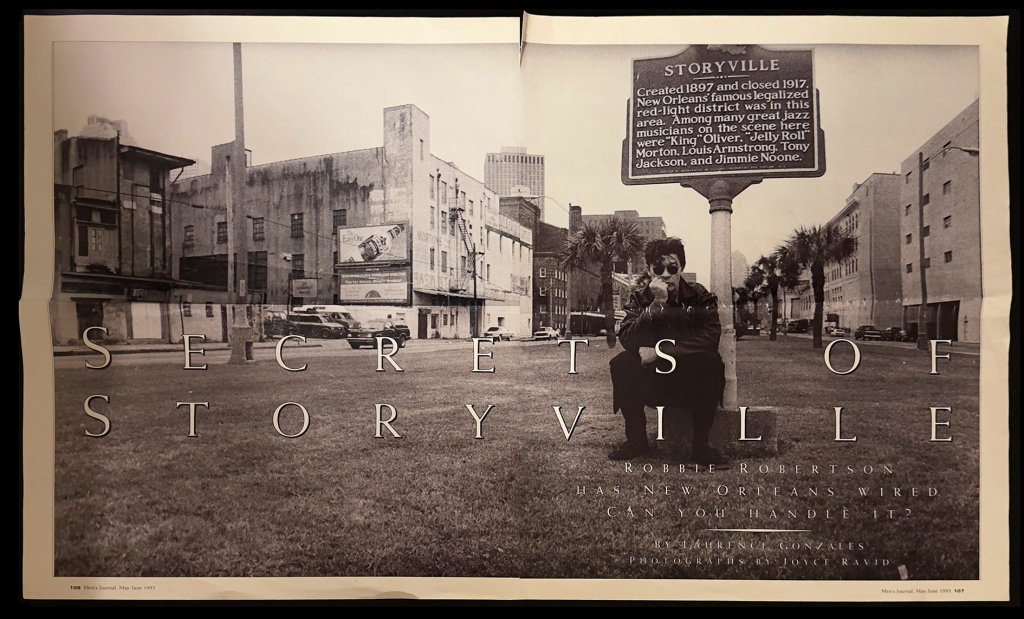
Richard was one of my favourite singers, songwriters and drummers. He wrote incandescent, sui generis songs for The Band — “Whispering Pines”, “When You Awake”, “Sleeping”, “We Can Talk About It Now”, and “Lonesome Susie” — as well as putting the funereal music to Bob Dylan’s lyrics for “Tears of Rage”. There’s a lot of great writing about Richard’s extraordinary qualities, and a quick web search turns most of them up — or you can go to Jan Hoiberg’s excellent site on The Band, its history, songs and members. (https://theband.hiof.no/about_this_site.html)
I wrote this song in the 2010s, a meditation on his tragic death, which happened at a time when the Robbie Robertson-less group were touring places that were, in reality, beneath them. When I came to the point in the song where there’s usually a solo, I remembered a lovely version of “Georgia On My Mind” that my pal Mark had worked on as he figured out how to record in Garageband, and I dropped the mp3 in the track. The song was a favourite of Richard’s (highlighting his love of Ray Charles), to which I added the sound of a disinterested supper club. So here’s my song for Richard, that Stratford star, because there “must be some way to repay you / Out of all the good you gave…”


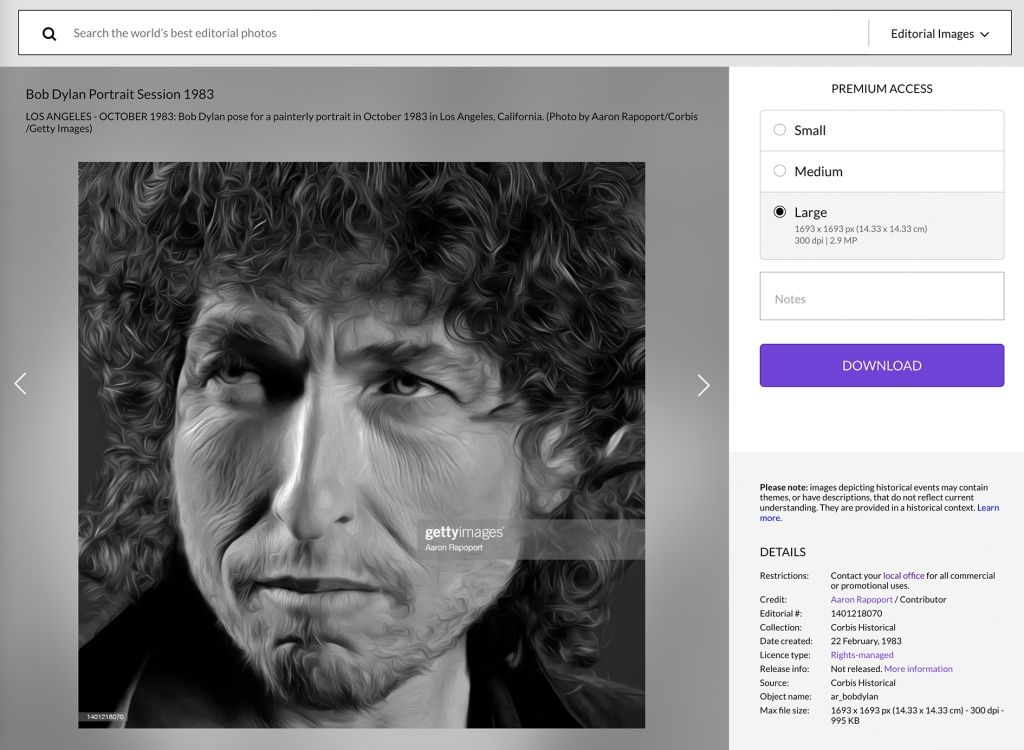









![This photo of Bob Dylan holding a Fender Bass (which he never played) for a Fender promotional campaign is used so often it’s ridiculous, especially as there are so many great mid-60s shots by so many great photographers (Barry Feinstein, Daniel Kramer and Elliot Landy for starters). However, the Guardian news story that it led to today was fascinating, finally allowing Bobcats the chance to gather some meaning from one of Bob’s most translucent songs, “I’m Not There, I’m Gone”, aka “I’m Not There [1956]. Instagram don’t seem to have Bob’s version, recorded in the Basement of Big Pink with The Band, so here’s a cover* by Howard Fishman (*Greil Marcus Approved).](https://scontent-iad3-1.cdninstagram.com/v/t51.82787-15/656201217_18094947014012756_5753647827031573893_n.jpg?stp=dst-jpg_e35_tt6&_nc_cat=110&ccb=7-5&_nc_sid=18de74&efg=eyJlZmdfdGFnIjoiQ0FST1VTRUxfSVRFTS5iZXN0X2ltYWdlX3VybGdlbi5DMyJ9&_nc_ohc=xfxY4C11NngQ7kNvwFuYYhJ&_nc_oc=Adrsdc2p3Hm1W0YHJrDi1pAl_NXKLpL5dgPGTTggXqswmdvxGhlDXrgITyodfwEusLY&_nc_zt=23&_nc_ht=scontent-iad3-1.cdninstagram.com&edm=ANo9K5cEAAAA&_nc_gid=d4UMsEBAcUED0PFJMFy8SQ&_nc_tpa=Q5bMBQEDNoAd2zc6k0WTd05oO6H75pz7fF0nBZd2tUiubttZIJetwnqrB2BGEXTlztAj-IPCjO0bnCUWJg&oh=00_Af2fNYcxnbFFNiUnu3TKeJU_Ih5obRO7FWi7BBxgPmLB_g&oe=69D3E342)


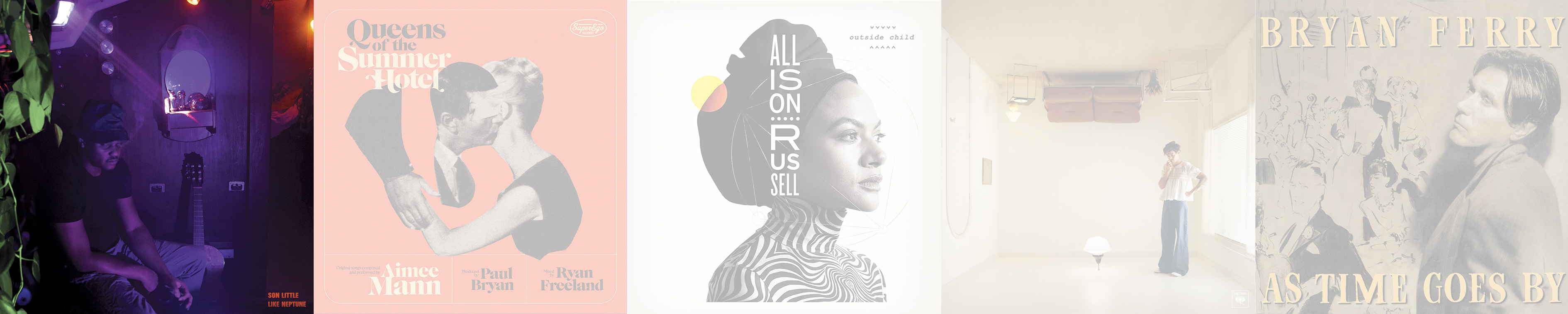
 Five Things I Saw & Heard This Week
To the memory of Alexei Navalny
“Joe Hill ain’t dead,” he says to me,
“Joe Hill ain’t never died…
Where working men are out on strike
Joe Hill is at their side,
Joe Hill is at their side.”
Listening to Alexei Sayle’s Desert Island Discs a while back, it was interesting to me that he chose “Joe Hill” as one of his eight discs, recalling that it was performed at his mother’s funeral. I first heard “Joe Hill” on the Woodstock soundtrack, sung by Joan Baez. Never a great admirer of her precise and pure voice, I nevertheless loved the song. I next heard it in the 1971 Bo Widerberg film biopic, for which guitarist Stefan Grossman did the score. When I listen to it sung, usually as a folk ballad, I always think it’s too sweet — and the version by Baez played on DID was a Nashville studio recording, with a prominent and syrupy pedal steel part. I recorded it a few years ago with the aim of making an angry industrial version, piston-driven and distorted. At one point I felt it needed a rap section and cast around for someone that may fit the bill. My friend Mark put me in touch with painter and wordsmith Nathan Detroit, who, with no real brief from me, came up with something he calls Cyborging — an abstract and impressionistic flow of words. Sounded great to me, so one afternoon we recorded it. Here it is. Play it loud.
“I Dreamed I Saw Joe Hill Last Night” was a poem, originally, written by Alfred Hayes (1911-1985), a British-born screenwriter, television writer, novelist and poet. It was set to music by folk singer and arranger Earl Robinson. The song became a popular labour anthem and was recorded by Paul Robeson, Pete Seeger, and Joan Baez, among others.
Share this: